The Future of Broadcasting: Trends and Innovations You Need to Know
The landscape of broadcasting is undergoing significant transformation. Digital streaming services are redefining viewer interaction with customized content and engaging features. With audiences gravitating more toward digital platforms, conventional broadcasting learn the details encounters new obstacles. Emerging technologies like augmented reality and artificial intelligence hold the potential to improve the viewing experience. This transformation prompts discussion about the competencies required for tomorrow's broadcasters. How will these developments shape the future of the broadcasting industry?
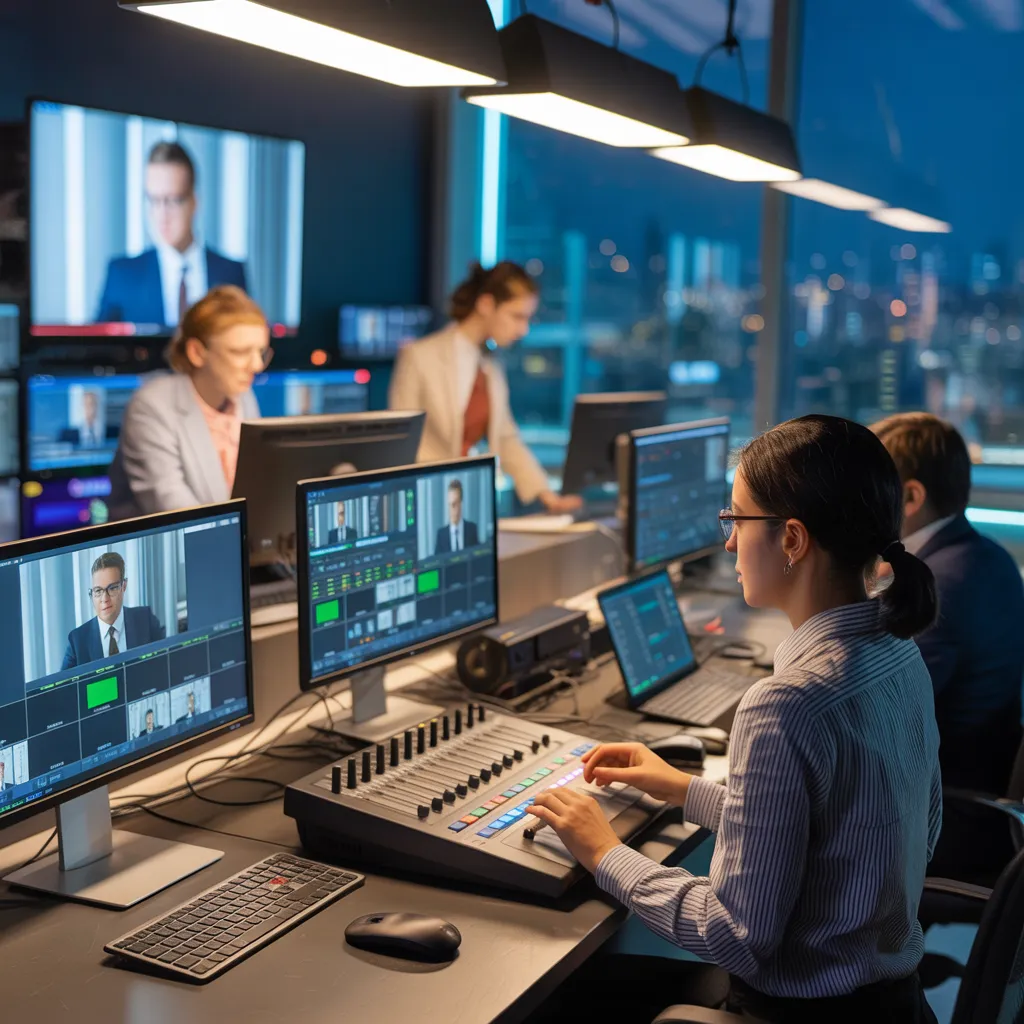
How Streaming Platforms Are Transforming Viewer Engagement
As streaming platforms keep expanding, they are significantly transforming viewer engagement by offering customized content journeys. By utilizing advanced algorithms, these platforms analyze user behavior and preferences to curate tailored recommendations, which considerably boosts viewer satisfaction. This shift allows audiences to discover content that aligns with their interests, thereby creating a more engaging experience.
Moreover, streaming services prioritize interactivity, enabling viewers to engage with content through features like real-time chats and social media connectivity. This establishes a feeling of belonging among viewers, shifting passive viewing into active engagement. Furthermore, the flexible nature of streaming platforms facilitates marathon watching, further deepening audience engagement.
As a result, the traditional viewing experience is transforming; users are no longer merely passive recipients but engaged contributors in their media journey. This democratization of media access marks a fundamental change in how media is accessed and engaged with in the modern digital landscape.
Why Legacy Broadcasting Is Being Replaced by Digital Platforms
The move from legacy broadcasting methods to digital streaming platforms is driven by evolving audience preferences that prioritize content available on demand. The rise of streaming services has transformed how consumers access content, offering flexibility and choice. Furthermore, improved interactivity tools engage viewers in ways that traditional formats are unable to replicate.
Shifting Viewer Tendencies
As traditional broadcasting once ruled the media landscape, a significant shift toward digital platforms is reshaping viewer preferences. Audiences increasingly favor on-demand content, permitting them to enjoy shows and movies whenever they choose. This flexibility contrasts sharply with the rigid schedules of traditional television. Moreover, viewers are increasingly seeking personalized experiences, where intelligent systems craft content aligned with individual interests. Social media channels also serve a critical function, permitting viewers to connect with content and creators in real time. The growth of mobile consumption has similarly shaped preferences, as consumers pursue entertainment that aligns with their personal habits. Therefore, traditional television networks find it increasingly difficult to hold onto their audiences, forcing broadcasters to evolve or face irrelevance in a changing media landscape.
Growth of Streaming Services
Viewer preferences are increasingly shaped by the availability and appeal of streaming services, which offer a persuasive option to traditional broadcasting. As consumers pursue adaptable and readily available programming, services like copyright, Hulu, and Amazon Prime have established themselves as major contenders. These platforms provide vast libraries of programming, enabling viewers to choose what to watch and when to watch it, free from rigid timetables. The growth of exclusive programming produced by these services has further intensified competition, drawing audiences away from traditional broadcasters. Additionally, paid membership plans frequently remove advertisements, improving the overall entertainment experience. Consequently, traditional broadcasters struggle with maintaining viewership, prompting many to adapt by developing their own streaming options to address shifting consumer preferences.
Improved Interactive Features
More and more, audiences are drawn to digital media for their advanced engagement features, which conventional broadcasting fails to match. This movement empowers viewers to engage with content in ways previously unimaginable. Tools like live polls, real-time comments, and personalized content recommendations generate a more captivating environment. Digital channels empower audiences to affect content curation, building a spirit of togetherness and engagement. In addition, social media connectivity facilitates instant responses and engagement with content producers, further blurring the lines between content producers and consumers. As tastes evolve toward such engaging formats, legacy broadcasters encounter difficulties in revising their models and tactics. When all is considered, the appetite for interaction will probably keep pulling viewers from traditional broadcasting to more vibrant digital options.
The Way Augmented Reality Is Transforming Broadcasting
Augmented reality (AR) is revolutionizing the world of broadcasting by enhancing viewer engagement through immersive experiences. By embedding real-time data directly into broadcasts, AR captivates audiences and provides them with a richer understanding of the content. This groundbreaking technological development not only appeals to viewers but also reshapes the way information is shared and experienced.
Boosted Viewer Interaction
Transforming the realm of broadcast media, AR (augmented reality) is revolutionizing how people interact with content. By incorporating virtual elements into live programming, AR generates engaging experiences that captivate viewers. This technology enables users to engage with content in real time, enhancing their understanding and enjoyment. For instance, sporting broadcasts utilize AR to present player details and game statistics, creating a more engaging viewing experience. Moreover, AR facilitates audience interaction tools, such as quizzes or polls, fostering viewer engagement. As broadcasting companies increasingly adopt AR, they are not only enhancing audience engagement but also building a sense of connection among audiences. This transition represents a move towards a more interactive model, where viewers are no longer mere spectators but engaged contributors to the overall broadcast experience.
Real-Time Data Integration
As broadcasters adopt emerging technologies, real-time data integration emerges as a transformative force in elevating audience experiences. By incorporating augmented reality (AR), broadcasters can deliver live data, graphics, and engaging elements that enhance narrative delivery. For instance, during live sporting broadcasts, viewers can view player data displayed over the live action, offering real-time context. This technology facilitates an enhanced viewing experience, enabling audiences to engage with content dynamically. Moreover, AR can personalize broadcasts, tailoring information to individual preferences and behaviors. Therefore, live data not only attracts viewers but also builds a deeper connection between the audience and the content. This dynamic landscape points to an exciting future for broadcasting, powered by innovations in technology and viewer-focused approaches.
The Importance of Personalization in Content
While audiences increasingly demand content that resonates with their personal tastes, the significance of personalization in broadcasting has become more essential than ever. With the rapid growth of digital platforms, viewers are overwhelmed by extensive quantities of content, making it crucial for broadcasters to develop customized content that drive engagement and capture viewer attention. Personalization enhances viewer satisfaction by delivering relevant recommendations, thereby significantly improving audience retention.
Moreover, data analytics plays a pivotal role in interpreting audience habits, allowing broadcasters to tailor content that matches distinct tastes and inclinations. This flexible strategy not only enhances viewer loyalty but also drives advertising effectiveness, as companies aim to engage with specific demographics.
At a time when the competition is intense, adopting personalization is not just beneficial; it is critical for broadcasters striving to excel. By championing customized content, they are able to forge meaningful relationships and foster a more dedicated, satisfied viewership.
What's Next in Broadcast Technology?
Advanced technologies stand ready to reshape the broadcast industry landscape, opening doors to more immersive and interactive experiences. Technologies like virtual reality (VR) and augmented reality (AR) are improving audience participation, allowing audiences to participate actively in content. Furthermore, advancements in 5G technology deliver enhanced data throughput, facilitating uninterrupted high-definition streaming with reduced latency.
Artificial intelligence (AI) is further reshaping the broadcasting landscape by customizing content suggestions and streamlining production workflows. AI-driven analytics provide broadcasters with valuable insights into viewer preferences, encouraging the development of more refined content approaches. Furthermore, the adoption of cloud-based platforms enables enhanced flexibility and scalability in how content is distributed, meeting the rising consumer appetite for on-demand content.
As these technologies evolve, they will redefine traditional broadcasting methods, facilitating a shift towards more dynamic and responsive media environments, ultimately elevating the experience for audiences everywhere. The future of broadcasting is ready to welcome these breakthroughs, opening doors for both content creators and viewers alike.
Key Skills for Aspiring Broadcasters
The changing landscape of broadcasting requires a new set of competencies for future professionals in the field. Essential skills encompass digital literacy, since broadcasters must expertly handle multiple platforms and technologies. Competence in multimedia production is also critical, empowering them to produce captivating content across video, audio, and social media. Understanding data analytics is essential, allowing broadcasters to gauge audience engagement and tailor content accordingly.
Additionally, powerful storytelling abilities are crucial, as captivating stories connect with audiences. Adaptability is another essential characteristic, due to the accelerating pace of technological development and shifting viewer preferences. Teamwork abilities are essential in growing interdisciplinary settings, where specialists collaborate with graphic designers, data analysts, and marketing professionals. Finally, adherence to ethical journalism is critical, making certain that upcoming broadcasters preserve integrity and credibility in their reporting. These capabilities will enable them to excel in a rapidly changing broadcasting landscape.
Questions We Often Receive
How Will AI Impact Content Creation in Broadcasting?
AI will transform content creation in broadcasting by handling automated processes, enhancing personalization, and optimizing production workflows. This technology enables creators to analyze audience preferences, ultimately leading to improved content effectiveness and faster distribution.
What Impact Does Social Media Have on the Future of Broadcasting?
Social media strengthens broadcasting's future by enabling real-time audience engagement, extending content reach, and allowing focused content sharing. It transforms conventional broadcasting into an engaging interactive platform, cultivating strong community ties and boosting audience loyalty.
Are There Any Risks Linked to Personalized Broadcasting?
Indeed, personalized broadcasting carries risks, including privacy concerns, echo chambers, and bias within algorithms. Such elements may restrict access to varied viewpoints, potentially leading to misinformation and reinforcing existing beliefs within targeted audiences.
How Can Broadcasters Guarantee Inclusivity in Upcoming Content?
Broadcasters can ensure inclusivity by directly engaging with diverse communities, requesting input, integrating diverse perspectives, and using inclusive formats. Regular cultural competency development for creators also fosters an environment that embraces representation and equality in all content.
Which Skills Will Be Vital for Audiences in the Years Ahead?
In the future, users will demand solid digital literacy skills, critical thinking abilities, and adaptability to explore varied digital platforms. Grasping content development and data interpretation will become increasingly vital for interacting successfully with evolving broadcasting landscapes.